

Does your kitchen feel cluttered with half-empty bags, loose pantry staples, and ingredients that go bad before you use them? A cleaner pantry starts with better food storage, and vacuum sealing for zero waste makes that shift feel practical, organized, and eco-friendly. With a vacuum sealer, vacuum seal bags, jars, and reusable containers, your kitchen can look calmer while helping reduce food waste.
- Why vacuum sealing for zero waste helps fight food waste
- Choosing a vacuum sealer for a cleaner kitchen
- Vacuum seal bags, jars, and supplies for zero-waste food storage
- Vacuum packaging for pantry staples like flour and sugar
- Preserving fresh food before it goes bad
- Meal prep, freezer storage, and sous vide cooking.
- Safe storage tips for vacuum-sealed food
- A more eco-friendly pantry with less waste
- Conclusion
Vacuum sealing removes air from storage bags and containers, which helps slow spoilage and extend shelf life. This simple storage upgrade can turn messy shelves into neat zones for dry goods, leftovers, freezer meals, cheese, summer berries, and meal prep ingredients. For home cooks who want to fight food waste without making the kitchen harder to manage, vacuum sealing creates a smarter system for saving food, space, and money.
Learning these habits helps you live more sustainably without losing convenience. Your pantry becomes easier to scan, your freezer holds more food in less space, and your daily routine feels less wasteful. A well-planned vacuum packaging system can make a small kitchen feel more efficient and more polished.
Why vacuum sealing for zero waste helps fight food waste
Vacuum sealing is a smart step toward a cleaner, greener home. By removing air from food packaging, it slows oxidation and helps preserve food for longer. This is one of the main benefits of vacuum sealing for anyone trying to reduce food waste at home.
Related Articles


Food waste often starts with small things, like a block of cheese drying out, summer berries spoiling too soon, or pantry staples like flour and sugar losing freshness. Vacuum-sealed storage helps protect these food items from air, moisture, and freezer burn. When food lasts longer, you throw away less spoiled food and get more value from every grocery trip.

This method can also reduce the environmental impact of wasted groceries. Throwing away food sends more waste to landfill, where organic material can contribute to greenhouse gas emissions such as methane and carbon dioxide. A vacuum sealer will not solve the entire supply chain problem, but it can be a sustainable solution inside the home.
Vacuum sealing also makes the kitchen feel more organized. Buying in bulk becomes easier because you can divide food into smaller portions, vacuum seal them, and store them neatly in the pantry, refrigerator, or freezer. The result is less clutter, better visibility, and fewer forgotten ingredients.
Choosing a vacuum sealer for a cleaner kitchen
Choosing the right vacuum sealer depends on your storage habits, countertop space, and budget. Some people only need a small cordless tool for quick leftovers, while others want a commercial-grade machine for frequent meal prep. Understanding the main types of sealers helps you choose one that fits your kitchen.
Handheld vacuum sealers are compact, cordless, and useful for quick tasks. They work well with reusable vacuum bags, canisters, and some jar attachment systems. If you have a tiny kitchen or limited drawer space, a handheld option can be a practical choice.


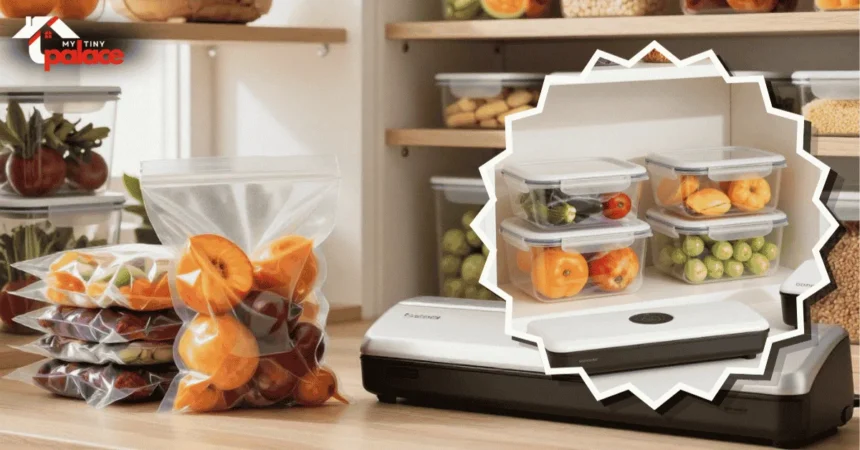
Standard countertop vacuum sealers are more versatile for daily home use. They work with vacuum sealer bags, bags and rolls, and many common vacuum bags. A Foodsaver-style machine is popular because it can seal freezer portions, pantry goods, and meal prep ingredients with dependable suction power.
A chamber vacuum sealer is stronger and more advanced. A chamber vacuum unit is especially useful for liquid, marinade, marinate meat, and moist foods because the sealing process happens inside a chamber instead of pulling liquid toward the edge of the bag. This type is larger and more expensive, but it can be useful for serious home cooks who vacuum seal often.
Vacuum seal bags, jars, and supplies for zero-waste food storage
Creating a zero-waste pantry is not only about owning a machine. The right supplies make your food storage system easier to maintain and more attractive to use. Vacuum seal bags, reusable vacuum bags, jars, canisters, and bottle stoppers all help build a cleaner kitchen setup.
High-quality vacuum seal bags are useful for long-term freezer storage. They help prevent freezer burn by keeping food airtight and reducing exposure to air. Many home cooks prefer bags and rolls because they can cut the size they need for meat and vegetables, soft cheese, pre-cut produce, or leftovers.
A jar attachment is helpful for dry goods. You can seal jars, mason jars, and some canning jars for pantry staples like flour, staples like flour and sugar, rice, nuts, coffee, and dried fruit. This keeps shelves neat while making ingredients easier to see.
Canisters are another good option for items you use often. They work well for snacks, baking supplies, and foods you want to reseal without using a new bag each time. Reusable containers and reusable vacuum bags also reduce single-use plastic and support a more eco-friendly storage routine.
Vacuum packaging for pantry staples like flour and sugar
Vacuum packaging is one of the easiest ways to make a pantry look cleaner and work better. Dry goods often come in paper bags or thin plastic packaging that tears, spills, or lets air in. Vacuum-sealed jars and bags keep ingredients contained, visible, and protected.
For pantry staples like flour, sugar, rice, oats, and dried beans, the goal is to remove extra air and keep moisture away. Removing air helps slow oxidation and protects texture and flavor. Airtight storage also makes it easier to buy in bulk without letting ingredients sit open for months.
When using vacuum sealer bags for dry goods, smooth out wrinkles before starting the seal. A clean seal helps prevent leaks and keeps the bag compact for stacking. If you use a jar attachment, make sure the rim of the mason jar is clean before sealing.
This kind of storage system improves both function and appearance. Clear jars, labeled shelves, and compact vacuum-sealed bags make it easier to see what you already own. That visibility helps prevent duplicate purchases and reduces the chance of throwing away food you forgot in the back of the pantry.
Preserving fresh food before it goes bad
Fresh food can spoil quickly, especially when it is exposed to air. Vacuum sealing helps preserve food by reducing oxygen around the surface. This can prolong freshness and make it easier to plan meals before ingredients go bad.
Cheese is a good example. Vacuum-sealed cheese stays protected from drying out, and soft cheese can last better when stored carefully in the refrigerator. Always keep perishable vacuum-sealed food cold and use it within safe storage timeframes.
Summer berries, whole apples, bananas, and pre-cut produce can also benefit from better storage. Delicate foods may need gentle handling so they are not crushed during the sealing process. For soft fruit, some home cooks freeze pieces first, then vacuum seal them for cleaner freezer storage.
Meat and vegetables are also useful candidates for meal prep. You can divide portions, refrigerate or freeze them, and keep ingredients organized by date. This makes it easier to save food, plan meals, and reduce the amount of spoiled food in the kitchen.
Meal prep, freezer storage, and sous vide cooking.
Vacuum sealing is especially helpful for meal prep. Home cooks can portion ingredients into bags, label them, and store them in the refrigerator or freezer. This creates a cleaner workflow during busy weeks and helps avoid last-minute takeout.
Freezer storage becomes more efficient because vacuum-sealed bags take up less space than bulky containers. Removing air also helps reduce freezer burn, which protects texture and flavor. If you buy in bulk, dividing food into smaller vacuum-sealed portions can save money and reduce food waste.
Vacuum sealing is also useful for marinating meat. A marinade can coat the food evenly inside the bag, and the compact packaging keeps the refrigerator cleaner. Pre-cut meat and vegetables can be stored together for faster weeknight meals.
Sous vide cooking is another reason many home cooks use a vacuum sealer. Vacuum-sealed bags help food cook evenly in a water bath and make prep feel more organized. After sealing, refrigerate food safely until you are ready to cook it.
Safe storage tips for vacuum-sealed food
Vacuum sealing is useful, but it does not make every food shelf-stable. Perishable food still needs proper refrigeration or freezer storage. Keep vacuum-sealed meat, cooked meals, soft cheese, and moist food items in the refrigerator or freezer rather than leaving them at room temperature.
This matters because removing oxygen can create conditions where certain bacteria may grow if food is handled incorrectly. Botulism is a serious food safety concern linked to low-oxygen environments, so vacuum sealing should be paired with safe storage and handling. Use clean bags, clean hands, and chilled storage for perishable foods.
Be careful with raw onions and garlic, moist foods, and liquid-heavy recipes. If you are storing vegetables for freezing, blanching may help preserve quality for some items before vacuum sealing. For liquids, a chamber vacuum sealer is usually better than a basic edge sealer because it handles liquid more cleanly.
Dry shelf-stable items like flour, sugar, rice, and dried beans are different from perishable foods. These can often be stored in sealed jars or bags in the pantry when they are fully dry. When in doubt, refrigerate or freeze perishable vacuum-sealed food to keep it safer.
A more eco-friendly pantry with less waste
A clean pantry is not only about looks. It changes the way you shop, cook, and store food. Vacuum sealing for zero waste helps create a system where ingredients are easier to see, easier to use, and less likely to be wasted.
This approach works especially well in small homes and apartments. Vacuum-sealed bags use less space, jars make shelves look more intentional, and labeled storage zones help prevent clutter. The kitchen feels calmer because every food item has a place.
Reusable vacuum bags, mason jars, canisters, and bottle stoppers can also reduce the need for disposable packaging. When paired with smart shopping and meal planning, these tools help support an eco-friendly routine. You can still keep convenience while making the kitchen feel more sustainable.
The long-term benefit is a kitchen that works better every day. You save food, reduce food waste, and create a pantry that feels clean, practical, and visually organized. For a small home, that kind of storage upgrade adds real lifestyle value.
Conclusion
Vacuum sealing for zero waste turns everyday food storage into a cleaner, smarter system. A vacuum sealer, vacuum seal bags, jars, canisters, and reusable storage tools can help reduce food waste, prevent freezer burn, and extend shelf life. The result is a pantry and freezer that feel easier to manage.
This system also supports a more eco-friendly home. By preserving food before it spoils, you save money and keep more groceries out of the trash. Your kitchen looks better, works better, and gives you more control over what you buy and use.
For the best results, match the sealer to your needs and store food safely. Use handheld vacuum sealers for quick jobs, countertop models for everyday storage, and a chamber vacuum sealer for liquids or advanced meal prep. With the right setup, vacuum sealing becomes a practical way to fight food waste and create a calmer, cleaner kitchen.