



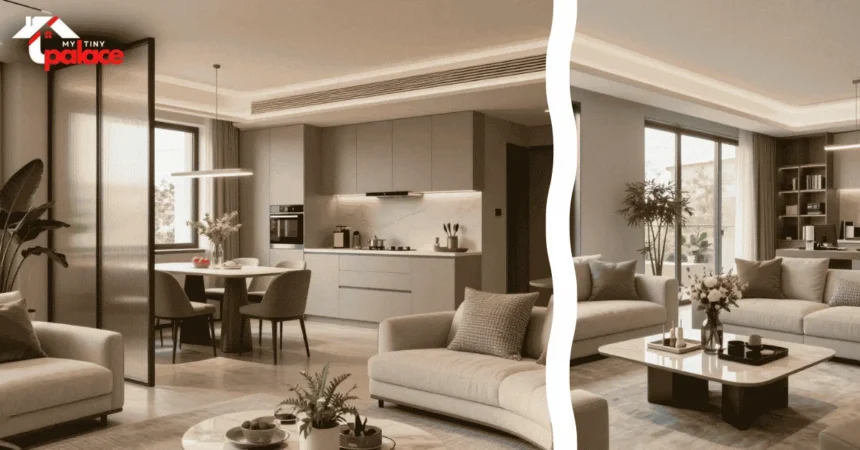
Looking to make your home more appealing? Many homeowners miss the chance to improve their homes. By using your space better, you can really boost your property’s value through the creation of functional micro-zones.
Micro Zoning Interior Design is key here. It’s about making different areas in one room. This turns a simple space into a place that buyers love.
Experts can help you set up these areas without big changes, ensuring each zone is thoughtfully designed. Smart micro-zoning makes every part of your home useful. Buyers want homes that are neat, flexible, and designed with micro-zones for various activities.
Good interior design can make your home shine in a crowded market. You can turn an open area into useful zones. Start making your home work better for you today by rethinking how you utilize each area.
The Concept of Micro Zoning Interior Design
Micro-zoning is a new way to design homes that changes how we live. It’s a game-changer for those who want to improve their daily living space.
Looking at your home, you might see big rooms without a clear purpose. By making specific areas in each room, every spot has a role. This stops rooms from feeling messy or confusing.

https://www.youtube.com/watch?v=PHTTRbIBTng
Interior designers say a good layout makes homes feel calmer and more productive. Assigning a zone for each activity helps your mind focus better.
This idea, called micro-zoning, changes how we organize our homes. Instead of seeing a room as one thing, we break it into smaller, useful areas. This way, we use our space better by creating smaller zones that serve specific purposes.
Adopting this design style lets you control your home better. You can make a cozy reading corner, a work area, or a meditation spot. It makes your home more peaceful and useful.
Related Articles
Why Open-Plan Homes Benefit from Strategic Zoning
Strategic zoning makes your open-plan home better by creating special areas for different things. Many open-plan homes have a problem where one room tries to do too much. This can make the space feel cluttered and chaotic.
By planning your layout carefully, you can avoid this mess. You can make your living space feel more organized and functional. This way, your home stays both open and tidy.
You can find a good balance between an open feel and some separation in your home. Using furniture or rugs to mark each area keeps your space open. This stops one area from taking over and making your home feel disorganized.
This strategy works great for small apartments where space is limited. In a small place, you need to use every inch wisely. By planning your layout well, you make your home a cozy and welcoming space.
Practical Techniques to Carve Out Distinct Areas
Strategic furniture placement is key to creating unique areas in any room. By placing furniture with care, you can make sure each corner of your home has a purpose.
Utilizing Sofas and Side Tables to Create Boundaries
A sofa is a natural anchor for your main living area. Pairing it with side tables frames the seating group. This separates it from other areas in the room.
This setup makes a cozy conversational hub. It feels grounded. These pieces create a clear boundary without needing walls.
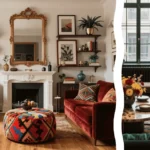
Incorporating Ottomans and Reading Chairs for Nooks
Adding a dedicated reading nook with a small table and ottoman creates a cozy nook. This setup offers a comfortable retreat away from the home’s busier areas.
Placing these items in a quiet corner turns an unused space into a purposeful micro-zone. It becomes a cozy spot for relaxation.
Pendant Lighting for Dining and Workspace Areas
Installing a pendant light is a smart way to mark your dining table or desk. It signals a change in activity, whether you’re eating in the kitchen or working from home in smaller zones.
Lighting defines the area, even in open-plan living rooms, by creating distinct zones within the space. It draws the eye down, focusing on the task at hand.
Utilizing Contrast and Pattern to Establish Clear Break Points
Contrast or pattern can create clear divisions between different home sections and enhance the feeling of distinct zones within the space. For example, a rug under your lounge furniture defines that area from the rest of the floor.
Small details also help with order. A tray for keys on a dresser near the entrance makes a functional drop zone. It keeps your main living area tidy and organized.
Elevating Property Value Through Intentional Design
Improving your property value is every homeowner’s dream. By creating a cohesive interior, you can turn a regular house into a dream home. This makes your living space feel intentional and well-thought-out for anyone who visits.
Arranging your furniture with care makes your home look bigger and more useful. Design choices that are thoughtful help different areas work together smoothly. This shows off your home’s full potential.
Designing intentional zones gives each room a clear purpose. When your decor and furniture match, your home feels complete. This avoids the common problem of open-concept homes feeling scattered.
A well-organized home is more inviting. Buyers seek homes that show a clear vision and quality work. By using these design strategies, your home will stand out and create thoughtful moments within each area. A well-planned home shows pride and attention to detail.
Conclusion
Changing your living space means looking at every square foot differently. Using micro zoning is key for homeowners who want to increase their property’s value and make their lives better.
By setting a purpose for each area, you create a peaceful and tidy home. This thoughtful planning makes your home more attractive to potential buyers. They appreciate homes that are well-organized and smartly laid out.
Brands like West Elm or Pottery Barn have furniture that works well in these zones. You can use modular shelving or area rugs to mark off spaces without needing to build anything.
By sticking to these design ideas, your home will stay both beautiful and useful for a long time. Begin by finding one unused corner in your home. Then, share your journey with local design groups to motivate others in your area to rethink their spaces.