




Turning your home into a stylish sanctuary starts with a clear vision. Many find it hard to mix style and comfort. But using one color can solve this problem.
By learning the 60-30-10 rule for monochrome, you can make your home look like it was designed by a pro using color theory.
This design method brings depth, not chaos. Choosing one color lets you play with textures and lights, creating a harmonious design rule. This makes your rooms feel rich and thoughtful.
Using this rule, you can create a peaceful space. You’ll learn to use light to show off your home’s best features and enhance your color balance. This makes your home look both modern and classic.
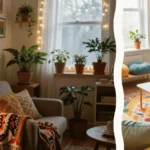

Try this approach to make your living area a stylish retreat. It will show off your personal style.
Understanding the 60-30-10 Rule for Monochrome
Learning the 60-30-10 rule in design changes how you see color at home and improves your overall aesthetic. This rule helps you balance your color palette. It makes your space feel connected, not scattered.



To apply the 60-30-10 rule, pick a dominant color for 60% of the room. This color should cover big areas like walls or large furniture. It sets the room’s mood.
Then, use a secondary color for 30% of the space. This color adds depth and prevents the room from feeling flat. It can be in curtains, rugs, or accent chairs, contributing to the overall color balance.
Lastly, add an accent color for the last 10%. This color adds interest without being too much. This method keeps your design simple and elegant, while also following the color rule.
Related Articles

Using this rule helps you avoid the mess of too many colors. It’s a smart way to organize your colors for a polished look.
Selecting Your Monochromatic Palette
Creating a beautiful room starts with picking a single color. This color sets the mood for your entire design. The color wheel helps you see how a primary color can become a complete look.
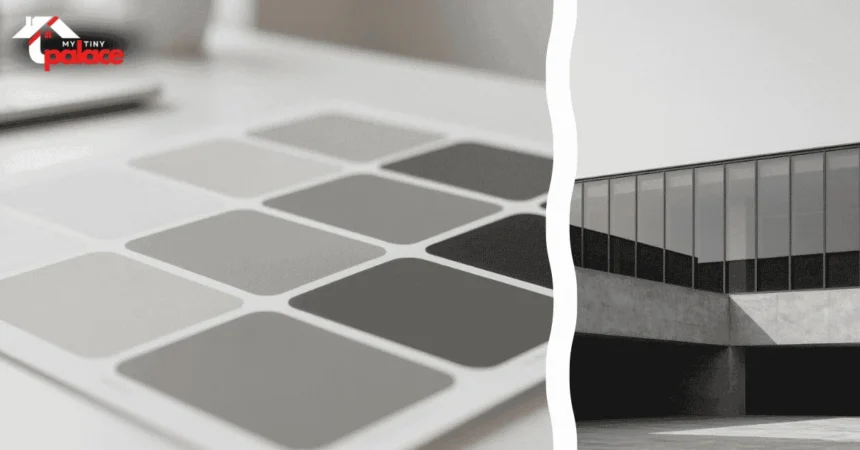
A monochromatic color scheme uses different shades of the same color. This creates visual interest without using many colors. It keeps your space calm and focused.
When picking colors, avoid complementary or opposite colors. Sticking to one color prevents visual clutter. You want your space to feel like a natural extension of your base color.
Adding analogous variations can add subtle movement to your palette. This rule keeps your space cohesive without needing many colors. By choosing your colors wisely, every element in the room will work well together.
Your color choices should show your personal style while keeping things calm. Whether you like deep navy or soft beige, the right monochromatic approach makes your home a sanctuary. Focus on the quality of your chosen hue for a professional look.
Implementing Proportions for Visual Depth
Using the 60-30-10 rule in interior design is key to a sophisticated look. It helps you create a clear hierarchy in your room. This makes your living space both visually appealing and balanced.
Begin by picking a main color for 60% of the room, following the 60-30-10 color rule. This color is often a neutral color for walls or big furniture, providing a versatile backdrop. It sets a calm background for other elements to stand out.
Then, choose a secondary color for 30% of the space. This color should complement the main one and add contrast. Using these three colors helps balance the room without overwhelming it.
Strategic Placement of Throw Pillows and Decor
Use the last 10% for your accent color to add visual interest. A throw pillow or small decor item can introduce this color and serve as a complementary color. Placing these items around the room spreads the color effectively, adhering to the color rule.
This specific ratio is essential for a professional look in any home. The 60-30-10 rule ensures no single item dominates. It keeps your space balanced and harmonious.
Color use should be intentional. Limiting accent pieces to 10% keeps your space clean and stylish. This makes it simple to change your style anytime you want.
Enhancing Texture and Contrast in Monochrome Spaces
Texture is key to making a monochromatic room feel rich and sophisticated. With just one color, textures become your main design tool. They add depth, preventing the room from feeling flat.
Layering Textiles for a Cohesive Look
Mixing fabrics can make your home look cohesive. Start with a wool blanket over a linen sofa for instant interest. Then, add a velvet pillow for a soft contrast and to create balance in your color scheme.
These choices make your space feel carefully designed. Mixing different textures and patterns in the same color keeps your design cohesive and aligned with the 60-30-10 rule in design. It adds depth and richness to your room.
Balancing Light and Shadow in Room Design
Light and shadow are crucial for showcasing your room’s features. Natural light on textured walls creates subtle tones, like opposite colors on the color wheel. This brings life to your walls without extra colors.
Think about how lights affect your room’s feel. Lamps placed right can cast shadows that outline furniture and create balance in your design. This careful lighting enhances your color palette, making your space feel luxurious.
Conclusion
Changing your living space needs a clear plan and careful steps. Learning the 60-30-10 rule helps you make a home that looks good and feels balanced.
You now know how to pick the best color for walls and furniture. Adding different textures keeps your space calm and inviting for years.
A unified design comes from choosing the right sizes and colors, adhering to the principles of color theory. These steps help you balance every room perfectly.
Picking the right colors for your home, guided by color theory, makes your life calmer. Trust your taste when choosing colors that show your style.
Look for colors that go well together for a professional look. Your hard work will make your space beautiful and balanced.
Begin your next design project with confidence. Picking the right colors is the first step to a stunning, peaceful home.