



Keeping your indoor garden looking great means watching out for pests. Fungus gnats are a big problem, but you can fight them off. This is key to keeping your plants healthy.
It’s important to keep pests away from your plants. Knowing what your hydroponic system needs helps you keep it safe. This way, your plants can grow well without any trouble.
This article will give you the tools to keep your space pest-free. By following these tips, your hydroponic plants will stay healthy and strong all year.
Understanding the Life Cycle and Risks of Fungus Gnats in Hydroponics
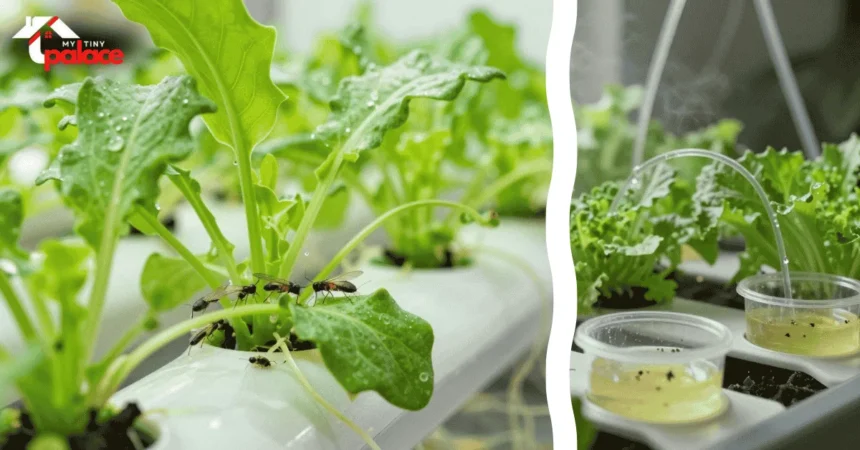
Seeing tiny black flies near your plants? You might have fungus gnats. These pests are common in indoor gardens. But, they don’t bite humans or pets. Their presence shows a problem in your growing space.

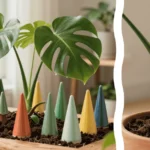
Fungus gnats start when a female looks for a place to lay eggs. They like moist growing media, which is why they do well in wet hydroponics systems. After the eggs hatch, the larval stage begins, causing damage to your plants.
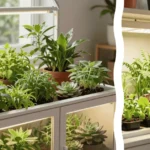


In the larval stage, they eat organic matter and root hairs in the root zone. Gnats are attracted to decay and fungi. As a grower, you must know that these larvae harm your plants’ roots and are a nuisance. This stresses your plants’ health and growth.
A single fungus gnat can lay eggs quickly, leading to a big problem in days. Adult gnats can fly, spreading across your garden. Knowing they prefer moist and decaying areas, a few helps you stop their cycle before it’s too late.
Identifying Signs of a Fungus Gnat Infestation
Spotting a fungus gnat infestation needs a sharp eye and fast action. You’ll see adult fungus gnats flying around your plants when you touch the soil. They look like fruit flies because of their size and flight, making them a nuisance in your garden.
But, unlike fruit flies, these gnats love the wet spots in your hydroponic system. Seeing them near your reservoir or net pots means you have a problem with fungus gnats thriving. Catching it early is key to getting rid of fungus gnats and saving your indoor garden from damage.


Yellow sticky traps are a great way to keep an eye on the gnats. These traps catch adult gnats easily. When you see gnats stuck on the traps, you know you have an infestation that needs fixing.
Using sticky traps regularly helps you catch the problem early. This way, you can stop the larvae from harming your roots. Regular checks with traps help you control the gnats before they ruin your harvest. Stay alert to keep your hydroponic garden healthy and free of pests.
Effective Strategies for Fungus Gnats in Hydroponics Control
Controlling fungus gnats in hydroponics is simpler with a multi-step plan. Use both biological and physical methods to stop these pests at every stage. This way, you tackle both flying adults and hidden larvae, enhancing your fungus gnat control efforts.
To kill gnat larvae, hydrogen peroxide is a top choice for fungus gnat control. Mix one teaspoon of hydrogen peroxide per gallon of water in your reservoir. This solution kills eggs and larvae without harming your plants’ roots.
For a natural defense, add beneficial nematodes to your system. These tiny creatures hunt fungus gnat larvae in the plant roots, offering long-term control. Also, yellow sticky traps near your plants catch adult gnats, stopping them from laying eggs.
Safety Precautions for Your Hydroponic System
Using hydrogen peroxide is effective for eliminating fungus gnats but requires caution. Always measure it correctly to avoid harming your plants’ roots. Too much can damage the good microbes that help your plants grow.
Keep an eye on your reservoir to see if the treatment is working. If gnats still appear, you might need to treat again or move your traps. Watching closely is key to getting rid of fungus gnats and keeping your crops pest-free.
Preventative Measures to Keep Your Hydroponic Garden Pest-Free
A successful grower knows that the best defense against any pest is a solid preventative measure. By maintaining a sterile hydroponic environment, you discourage unwanted visitors from settling in your indoor garden.
Make sure the top layer of moist growing medium dries out completely between waterings. Fungus gnats lay eggs in moist conditions. So, keeping the surface dry is crucial. This simple habit stops gnats from laying their eggs in your substrate, helping you get rid of fungus gnats.
Using inert media like coco or perlite improves airflow around your plants. Gnats are attracted to decaying organic matter. So, these materials are excellent choices. Even inert media like coco can harbor pests if you are not careful with your irrigation schedule.
Always check the water you use to ensure it is clean and free of contaminants. You must also keep your seedling trays tidy to prevent fungus gnats from laying eggs near young plants. A clean space is the foundation of a healthy hydroponic garden.
Finally, avoid overwatering to keep your hydroponic system inhospitable to common pests. When you allow the top of the soil or coco to dry out, you effectively break the life cycle of the female fungus gnat. Consistent management ensures your plants thrive without the threat of a mite or gnat infestation, keeping them rid of fungus gnats.
Conclusion
Managing fungus gnats in your hydroponic system is easy with regular freecks and quick action. You can keep your roots safe by watching closely and keeping your area dry.
Spotting these pests early is key. Use yellow sticky traps near your water to catch them before they spread. If you see any, hydrogen peroxide can clean your soil safely without harming your plants.
By keeping your space clean, you’ll see your plants thrive all year. Share your tips or ask for advice to help everyone grow better. Start your fight against pests with these simple steps.