






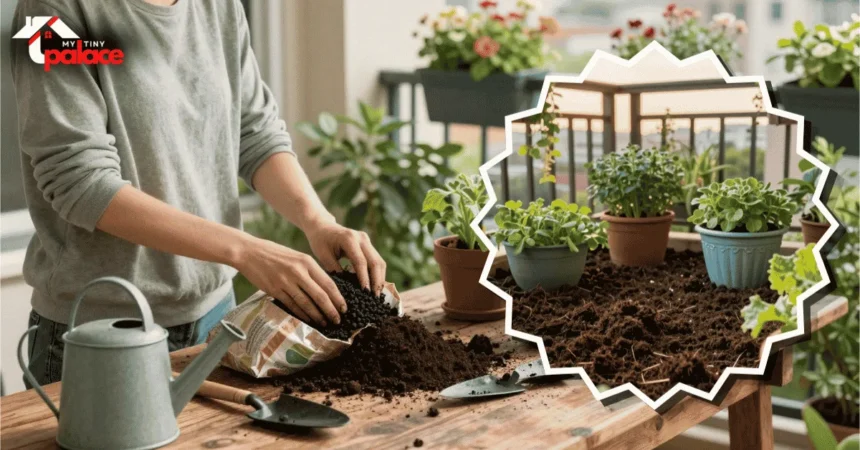
Turning small city spaces into green havens is one of the most rewarding parts of urban gardening. With the right potting mix, container plants can look fuller, stay healthier, and create a calmer outdoor escape even on a compact apartment balcony. Using biochar in balcony gardens adds a natural soil improver that supports plant growth, moisture retention, and long-term soil health.
- Understanding biochar for urban container gardens
- Benefits of using biochar in balcony gardens
- Choosing the right biochar for balcony pots
- Building a better potting mix with biochar
- Charging biochar for healthier soil
- Supporting soil structure and plant growth in small spaces
- Sustainable value for an urban balcony garden
- Conclusion
Biochar works especially well in container gardening because balcony pots dry out faster than traditional garden soil. This carbon-rich material helps hold water and nutrients close to plant roots, giving herbs, flowers, and leafy greens a more stable growing environment. For gardeners who want a low maintenance balcony garden with healthier soil and stronger visual appeal, biochar can become a valuable part of the planting design.
Understanding biochar for urban container gardens
The secret behind healthier balcony plants starts with the science of biochar. Biochar is a type of charcoal made through pyrolysis, a process where biomass such as wood chips or plant material is heated in a low oxygen environment. This turns organic material into a stable, carbon-rich material that stays in the soil much longer than regular compost.
Biochar made from wood is often preferred for home garden and balcony use because it creates a clean, porous soil amendment. Its structure contains tiny spaces that can hold water, air, and soil nutrients. These pockets also create a home for beneficial microorganisms that support healthy soil life.

In traditional gardens and landscapes, biochar is often compared to terra preta, the fertile dark soils found in parts of the Amazon. These soils are known for storing carbon and supporting plant growth for centuries. In a smaller apartment setting, biochar brings the same idea into containers by helping potting soil stay active, balanced, and rich in organic matter.
For balcony gardeners, this means the soil does not become tired as quickly. Biochar does not degrade as quickly as compost, so it can continue improving soil structure over time. When mixed correctly, it supports better tilth, stronger roots, and a more resilient garden.



Benefits of using biochar in balcony gardens
Using biochar in balcony gardens gives container plants a stronger base for growth. Its porous texture works like a sponge, helping soil hold moisture and plant nutrients for longer periods. This is especially useful in small pots where water can drain quickly and leave plants stressed during warm weather.
One of the biggest benefits is improved moisture retention. Biochar increases the soil’s ability to hold water without making the potting mix feel heavy or soggy. This helps plants stay hydrated between watering, which is useful for herbs, flowers, and compact vegetables grown on sunny balconies.
Biochar also supports better nutrient management. Because it can hold water and nutrients near plant roots, it reduces nutrient loss from frequent watering. This helps fertilizer and compost work more efficiently, giving plants steady access to nitrogen, phosphorous, and other important elements.


For gardeners who want a greener apartment retreat, biochar also improves the appearance and performance of the space. Healthier container plants create fuller greenery, better texture, and a more relaxing outdoor atmosphere. The balcony feels less like an unused corner and more like a polished living area.
Choosing the right biochar for balcony pots
Selecting the right biochar is important for a healthy container garden. A good choice is horticultural grade biochar made for soils and plants. This type is clean, stable, and safe for use in potting mix, raised containers, and balcony planters.
Avoid regular charcoal briquettes because they may contain additives, binders, or chemicals that are not suitable for garden soil. Biochar should be made from clean feedstock such as wood chips, plant material, or other natural biomass. This helps protect your plants and keeps your balcony garden soil free from harmful ingredients.
Biochar can be slightly alkaline, so it is useful to consider soil pH before using large amounts. Some acid-loving plants may not respond well if the soil becomes too alkaline. A simple soil test can help you understand whether your potting soil needs adjustment before adding biochar amendment.
The best biochar for balcony gardens should feel lightweight, crumbly, and porous. When blended with compost or quality potting soil, it becomes part of a balanced soil structure. This gives plant roots better access to oxygen, water, and nutrients.
The amount of biochar also matters in small containers. Too much biochar can change soil pH, so balcony gardeners should treat it as a soil improver rather than the main growing medium. A balanced biochar soil mix works best when it supports roots, compost, and plant nutrients without making the planter too alkaline.
Building a better potting mix with biochar
A strong balcony garden starts with a balanced potting mix. Biochar should not fully replace compost, fertilizer, or organic matter. Instead, it works as an additive that improves the way soil holds moisture and nutrients.
A practical mix can include quality potting soil, compost, and a small amount of biochar. Compost feeds plants with organic nutrients, while biochar helps store those nutrients and keep them available to plants. This combination creates a richer, healthier soil environment for container plants.
Biochar with compost is especially effective because compost adds active nutrients and microbes. Biochar provides a stable surface where microorganisms can live and multiply. Together, they support soil life, improve soil structure, and encourage stronger plant growth.
Some balcony gardeners also add vermiculite to improve moisture balance and aeration. This can be useful for pots that dry out quickly. The final mix should feel loose, textured, and easy for plant roots to move through.
In most balcony containers, biochar works best as a supporting additive alongside compost and potting soil. This helps improve soil structure while keeping nutrients available to plants. When used carefully, biochar increases the soil’s ability to stay active, airy, and rich in organic material.
Charging biochar for healthier soil
Raw biochar can absorb nutrients from the soil if it is added without preparation. For this reason, gardeners often charge biochar before mixing it into containers. Charging means allowing biochar to soak up nutrients before it becomes part of the potting mix.
One common method is blending biochar with compost. This allows the carbon-rich material to absorb nitrogen, minerals, and beneficial microbes. Once charged, biochar works more like a nutrient reservoir than an empty sponge.
Liquid organic fertilizer can also be used to enrich biochar before it goes into the soil. This helps make nutrients more bioavailable for plants. When the charged biochar is added to a planter, it can slowly support plant roots as the garden grows.
This is one reason many gardeners use biochar in your garden style planting as part of a complete soil system rather than as a single ingredient. Biochar works best when paired with compost, organic material, and healthy potting soil. The result is a more balanced container garden with stronger long-term performance.
Supporting soil structure and plant growth in small spaces
Balcony gardens need good soil structure because container plants depend completely on the soil inside each pot. Heavy soils can become compacted and limit oxygen around the roots. Biochar helps improve soil structure by keeping the mix more open and breathable.
Better aeration allows plant roots to expand more easily. This supports stronger plant growth and reduces the risk of weak or stressed plants. In compact apartment gardens, even a small improvement in soil quality can make the space look greener and more vibrant.
Biochar also helps balance moisture in the root zone. It holds water during dry periods while still allowing excess water to drain away. This is useful for container gardening because pots can quickly swing between too wet and too dry.
A healthier soil environment also supports beneficial fungus and microorganisms. These forms of soil life help break down organic matter and make nutrients available to plants. Over time, this creates a living soil system that feels more like a natural garden than a simple pot of dirt.
Sustainable value for an urban balcony garden
Using biochar in balcony gardens supports both plant health and sustainable living. Because biochar stores carbon in the soil, it can help reduce the amount of carbon dioxide released back into the atmosphere. This makes it a thoughtful choice for gardeners who care about organic gardening and climate friendly materials.
In an apartment setting, the lifestyle value is also clear. A balcony filled with healthy herbs, flowers, and compact vegetables adds comfort, texture, and natural beauty to daily life. It turns unused outdoor space into a small retreat for fresh air, morning coffee, or quiet evening relaxation.
The design value matters too. A balcony with layered greenery, ceramic planters, natural textures, and healthy soil looks more intentional and polished. This can improve the perceived property value by making the outdoor area feel like a useful extension of the home.
Biochar also supports lower maintenance gardening. Since it helps with holding water and nutrients, plants may need less frequent attention compared with poor quality soil. For busy urban gardeners, that balance of beauty and practicality is a major advantage.
Conclusion
A greener apartment retreat begins with better soil. Using biochar in balcony gardens helps improve potting mix quality, moisture retention, soil structure, and long-term plant health. When combined with compost and organic matter, biochar creates a healthier foundation for container plants.
The real value of biochar is not only in plant growth but also in the finished balcony experience. Fuller greenery, better soil texture, and stronger container plants make the space feel calmer, fresher, and more refined. For gardeners working with limited space, biochar can turn a simple balcony into a more beautiful and productive urban garden.