








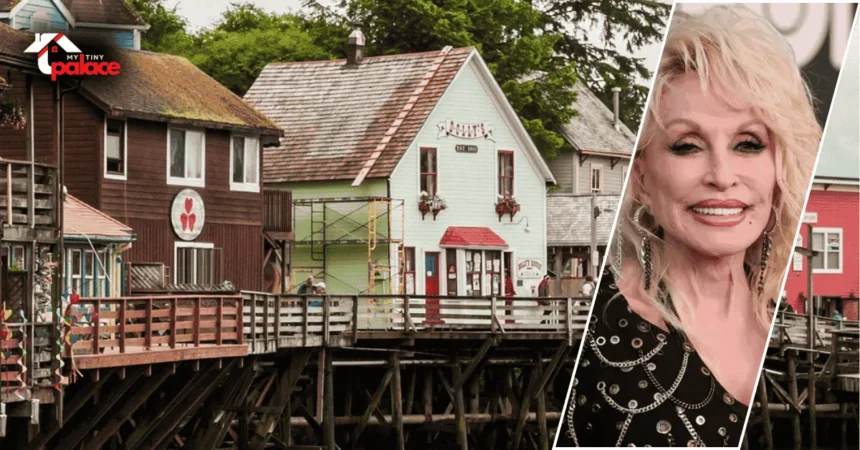
In the heart of Ketchikan, Alaska, there’s a historic house museum. It gives a peek into the area’s rich cultural heritage. The Dolly’s House Museum was once Dolly Arthur’s home, a key figure in local history. It’s a top spot for history buffs and those curious about Creek Street’s story, making it a must-visit attraction.
This historic building sheds light on Dolly Arthur’s life and Creek Street’s past. Creek Street was once a bustling red-light district. Visitors can explore to discover the area’s colorful history and the importance of this site, particularly the attraction of 24 Creek.
The Historical Context of Creek Street
In the early 20th century, Creek Street became a key spot in Ketchikan, Alaska. It was known as a red-light district. Today, Dolly’s House Museum sits where brothels once thrived, linked to the salmon cannery industry.
Creek Street’s story is a key part of Ketchikan’s history. It shows the town’s growth and its struggles, like the effects of Prohibition. Dolly Arthur’s brothel was a famous spot in this lively area.
Red-light districts were common in Alaska’s frontier towns. Creek Street’s brothels were open and part of Ketchikan’s life. They served the workers in fishing and mining, contributing to the development of the district of Ketchikan.

Learning about Creek Street helps us understand Dolly Arthur’s life and the significance of Dolly’s House Museum in the district of Ketchikan. It shows Ketchikan’s rich history and the social changes of that time.
Dolly’s House Museum: A Window to the Past
Step into Dolly’s House Museum and travel back in time. You’ll see the history of Creek Street come alive. This historic building is a key part of Ketchikan’s culture, showing us what life was like for Dolly Arthur.
The museum is in a preserved historic building. It shows off Dolly Arthur’s original furnishings and personal items. Walking through, you’ll learn about the area’s history and the museum’s importance. The items on display remind us of the people who lived and worked on Creek Street.
Dolly’s House Museum is a big part of Ketchikan’s story. It lets visitors see the area’s colorful past and experience the attraction of Creek Street in Ketchikan. The museum’s buildings and interiors show what daily life was like. By visiting, you’ll understand Ketchikan’s history and Creek Street’s role in it.



The museum has many personal items and original furnishings that reflect the history of the red light district. They give a special look into Dolly Arthur’s life and others on Creek Street. These items, along with the museum’s buildings, make for a truly immersive experience in southeast Alaska.
Exploring the Museum’s Interior
The interior of Dolly’s House Museum is filled with historical treasures. It gives a peek into Dolly Arthur’s life. Visitors see the original furniture and personal items that show what life was like back then.
The museum’s interior is kept just like it was in the early 20th century. Each room shows off the authentic furniture and decor. It lets visitors see how the Arthurs lived, worked, and socialized in their home.
Hidden Liquor Stashes and Secret Compartments
Dolly’s House Museum is famous for its hidden liquor stashes and secret compartments. These hidden spots show the cleverness and resourcefulness of people during Prohibition.
Daily Life in the Early 20th Century
The museum also gives a look into daily life back then. Visitors see the typical furniture and items of the time, giving a glimpse into the past of the red light district. It helps them understand the challenges and successes of the Arthurs and their community.
By looking at the museum’s interior and its many artifacts, visitors get a full picture of life back then. The museum is a window to the past, offering a fun and educational experience for everyone who visits.
The Creek Street Experience
The historic Creek Street area lets visitors step back in time. It’s surrounded by Southeast Alaska’s natural wonders. This place is a key spot in Ketchikan, mixing history, culture, and wildlife.
Walking along the historic boardwalk, visitors hear and see the area’s charm. Creek Street is a big part of Ketchikan’s story. It shows what life was like for those who lived here before.
Seeing salmon and wildlife is a big part of Creek Street, enhancing its appeal as an attraction. It’s famous for its wildlife, like salmon, bears, and eagles. These animals live in the Tongass National Forest nearby.
Exploring Creek Street lets visitors see Southeast Alaska’s beauty. It’s a memorable trip. History, culture, and wildlife make Creek Street a top spot in Ketchikan.
Planning Your Visit to Dolly’s House Museum
Explore Ketchikan’s Creek Street history at Dolly’s House Museum. It’s a key cultural spot in Ketchikan’s heart. Here, you’ll learn about the women who lived and worked on Creek Street in the early 1900s.
The museum welcomes visitors for a self-guided tour. This lets you see the historic house at your own pace. The interior is kept just like it was back then, making your visit to 24 Creek St very real.
The museum also has a gift shop. Here, you can find souvenirs and memorabilia. It’s a chance to take a bit of Ketchikan’s past home with you from the dock of Creek Street. Remember to check the admission fee before you go.
Incorporating the Museum into Your Ketchikan Itinerary
Adding Dolly’s House Museum to your Ketchikan trip is easy, especially if you’re visiting the red light district. It’s a key cultural spot that fits well with other local activities. You can explore the Tongass National Forest or take a boat tour. This way, you get a full taste of Ketchikan’s history, culture, and nature.
Preserving Ketchikan’s Colorful Past
The Dolly’s House Museum is key in saving Ketchikan’s history and serves as an important attraction in southeast Alaska. It highlights the area’s lively culture and old buildings. It’s a big part of the community, working hard to keep Ketchikan’s cultural heritage alive, including the Tlingit Native American tribe.
By keeping these historic buildings, the museum gives us a peek into the lives of those who came before. Saving Ketchikan’s history is vital to grasp how the community grew and evolved.
The museum’s work ensures that future generations can learn from and value the region’s rich heritage. This is crucial for keeping Ketchikan’s history alive, especially in the red light district.