





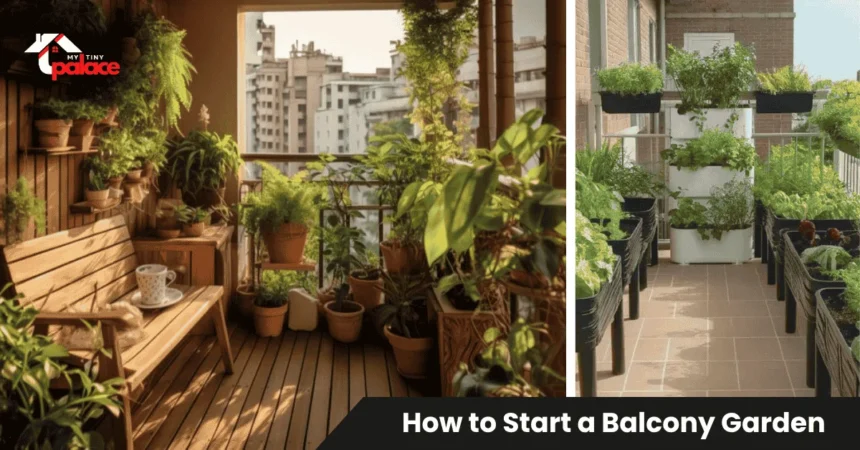
Turning your balcony into a green space sounds complicated, but it’s simpler than you think. You don’t need a yard or fancy equipment to grow fresh herbs, colorful flowers, or even vegetables. With just a few containers, the right soil, and some sunlight, you can create your own mini garden right outside your door.
This guide walks you through every step — from planning your layout to picking plants that actually thrive in pots. Whether you’re renting an apartment or just working with a small outdoor area, you’ll learn exactly how to start a balcony garden that fits your space and lifestyle.
Your Balcony Garden Quick Start Guide
Think you need a green thumb or a huge space to garden? Think again. A balcony garden is the perfect way to grow your own food, create a beautiful retreat, and connect with nature—no yard required. This type of urban gardening and container gardening is flexible, accessible, and surprisingly productive.
This guide will walk you through the entire process, from planning your layout to avoiding common beginner mistakes. Here’s what you’ll learn:

- How to assess your balcony for sun, wind, and space to pick the right plants.
- The essential tools and materials you need to get started (it’s less than you think!).
- A step-by-step planting guide to set up your garden in an afternoon.
- Easy, beginner-friendly plants that thrive in containers.
- Pro tips for watering, fertilizing, and maintaining your garden with minimal effort.
What Is a Balcony Garden?
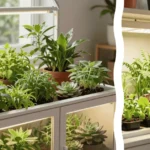
A balcony garden is simply a collection of plants grown in containers on your balcony or small outdoor space. Unlike traditional gardens that need ground soil and large plots, balcony gardening relies on pots, planters, and vertical structures to make the most of limited areas.
You can grow anything from herbs and vegetables to flowers and small shrubs — all without digging into the earth. This type of container gardening works perfectly for apartment dwellers, renters, and anyone who doesn’t have access to a backyard. Since everything grows in movable containers, you can rearrange your setup whenever you want.

Why Start a Balcony Garden? Benefits You’ll Love
Growing plants on your balcony does more than just look pretty. Studies show that spending time around greenery reduces stress and improves mood — even just a few minutes of watering and tending plants can calm your mind after a long day.
- Improved Air Quality: Plants naturally filter pollutants and release oxygen, making your balcony feel fresher.
- Homegrown Food: Imagine stepping outside to snip fresh basil for dinner or picking cherry tomatoes you grew yourself. Homegrown herbs and vegetables taste better and cost almost nothing after the initial setup.
- Personal Retreat: A balcony garden transforms dull concrete into a personal retreat. It adds visual interest, attracts helpful pollinators like bees and butterflies, and gives you a reason to spend more time outdoors.
Planning Your Balcony Garden Layout
Before you buy a single plant, take time to understand your space. This simple planning step is the key to your success.
1. Track the Sun: Is your balcony South-facing (full sun), North-facing (mostly shade), or something in between? Watch how the light moves throughout the day. Most edible plants need at least 6 hours of direct sun. 2. Measure Your Space: Grab a tape measure. How much floor space can you dedicate? What’s the height of your railing? This will determine your container sizes. 3. Feel the Wind: High-up balconies can be windy, which dries plants out quickly. Note the most sheltered spots (against a wall) and the most exposed. 4. Check the Rules: If you rent, check your lease about hanging planters or attaching structures to railings. It’s better to be safe than sorry!
Space-Saving Layout Ideas
- Small Balconies (<20 sq ft): Go vertical! Use wall planters, railing boxes, and hanging baskets to keep the floor clear.
- Medium Balconies (40-60 sq ft): Mix floor pots with railing planters. Use corners for larger plants like dwarf citrus trees.
- Large Balconies: Create “garden zones” by grouping plants with similar needs together. This makes watering easier and creates a lush, intentional look.
Materials and Tools You’ll Need
Starting a balcony garden requires surprisingly few tools.
- Essential Tools: A hand trowel, a pair of pruning shears, and a watering can with a long spout.
- Containers: Choose pots with drainage holes. Plastic pots are lightweight and affordable, while ceramic and terracotta pots are heavier but more aesthetic.
- Soil: Do not use garden soil. It gets too dense in containers. Use a high-quality potting mix designed for container gardening.
- Extras: Drainage trays to protect your balcony floor, and a balanced, water-soluble fertilizer for feeding your plants every 2-4 weeks.
Choosing the Right Plants for Your Balcony Garden
Matching plants to your light conditions determines success more than anything else. Use this quick-reference table to pick the perfect plants for your space.
| Plant | Sun Needs | Container Size | Best For |
|---|---|---|---|
| Cherry Tomato | Full Sun (6+ hrs) | 5-Gallon | Beginners, High Yield |
| Basil | Full Sun | 1-Gallon | Cooking, Easy Growth |
| Mint | Part Shade | 2-Gallon | Teas, Vigorous Growth |
| Lettuce | 3-6 hrs Sun | Wide, Shallow Pot | Cut-and-Come-Again |
| Peppers | Full Sun | 3-5 Gallon | Cooking, Color |
| Petunias | Full to Part Sun | Hanging Basket | Color, Trailing Beauty |
Detailed Plant Guides:
- For Sunny Balconies (6+ hours of sun): Tomatoes, peppers, cucumbers, basil, rosemary, and most flowering annuals like geraniums and marigolds.
- For Partially Shady Balconies (3-6 hours of sun): Lettuce, spinach, Swiss chard, and herbs like parsley, cilantro, and mint. Flowers include begonias and impatiens.
- For Shady Balconies (Less than 3 hours of sun): Focus on leafy greens like arugula, and shade-tolerant ornamentals like ferns, hostas, and coleus.
Step-by-Step: How to Start a Balcony Garden
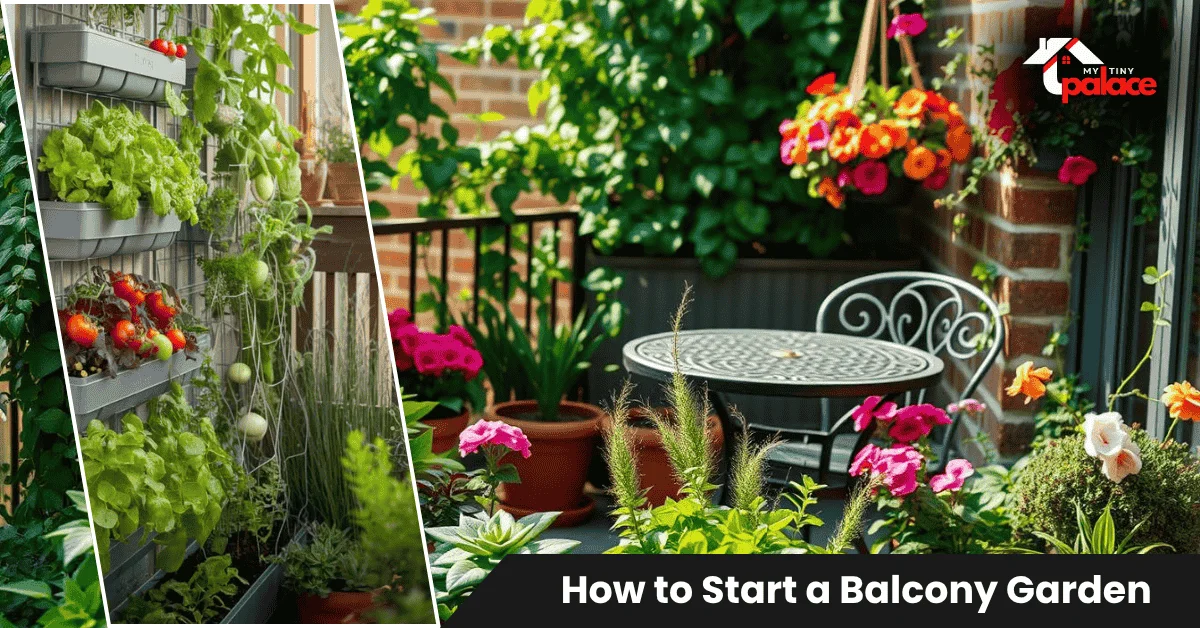
Follow these simple steps to get your garden growing in a single weekend.
Step 1: Assess Your Balcony. Walk onto your balcony at different times of day and note where the sunlight hits. Mark sunny spots for vegetables and herbs, shadier areas for greens. Measure the space and identify where you’ll place containers without blocking doors.
Step 2: Choose Containers and Soil.l Buy or repurpose containers with drainage holes. Size matters — herbs need at least 6-inch pots, while tomatoes and peppers want 12-inch or larger containers. Fill containers with quality potting mix, leaving about an inch of space at the top.
Step 3: Pick Your Plans. Start with four to six plants maximum for your first season. Choose a mix based on your light conditions — maybe two herbs, one vegetable, and a flowering plant for visual interest.
Step 4: Arrange and Plant Place containers in their final spots before filling with soil and plants — they get heavy fast! When planting, gently remove seedlings from their nursery pots, loosen roots slightly, and nestle them into your potting mix.
Step 5: Set Up Watering Routines Water when the top inch of soil feels dry. Water slowly until liquid drains from the bottom. Never let plants sit in standing water.
Costs, Time & Maintenance at a Glance
Cost Breakdown:
- Budget-Friendly: $50 (recycled pots, seeds, soil)
- Standard Startup: $75-$100 (new pots, seedlings, tools)
- Premium: $150+ (large self-watering pots, trellises, premium soil)
⏰ Time Investment:
- Setup: One Saturday afternoon (2-4 hours)
- Daily Care: 5-10 minutes for watering & checking
- Weekly Care: 30 minutes for fertilizing & pruning
First Harvest: You can start harvesting herbs in 4-6 weeks!
Common Mistakes to Avoid in Balcony Gardening
- Overwatering: This is the #1 plant killer. Always check the soil moisture first.
- Using No-Drainage Pots: Trapped water causes root rot. Always use pots with holes in the bottom.
- Ignoring Sunlight Needs: Don’t put a shade-loving fern in full sun.
- Forgetting to Fertilize: Container plants use up nutrients quickly. Feed them every 2-4 weeks.
- Starting Too Big: It’s exciting, but begin with 3-5 plants. Master their care before expanding.
Advanced Tips: Next-Level Balcony Gardening
Once you’ve mastered the basics, consider these steps to deepen your apartment gardening skills:
- Natural Pest Control: If you see aphids, a simple spray of water and a few drops of dish soap can solve the problem. For a more robust solution, keep a bottle of neem oil on hand.
- Composting: You can compost on a balcony! Look into a Bokashi bin or a small, enclosed worm farm to turn your kitchen scraps into rich fertilizer.
Final Thoughts: Growing Joy on Your Balcony
Learning how to start a balcony garden transforms unused space into something alive and purposeful. You don’t need a green thumb or years of experience — just a willingness to try, observe what works, and adjust as you go.
The best part about gardening in small spaces is its flexibility. You can begin with three herb pots this month and expand to vegetables next season.
Your tiny outdoor space is ready to bloom — all it needs is you to take that first step.