






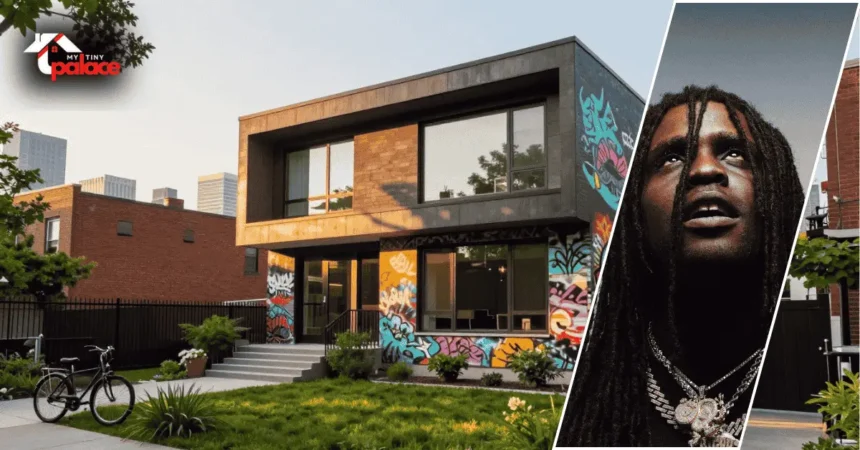
The story of modern rap often centers on the places where legends begin. One specific property serves as a vital landmark in the history of drill music. This Chief Keef Chicago house represents more than just a physical structure; it acts as a symbol of an artist’s rapid ascent to stardom.
- The Rise of the Drill Movement and the Search for Sanctuary
- Unpacking the Chief Keef Chicago House in Northbrook
- Life Behind the Gates: The Reality of the Northbrook Retreat
- The Financial and Real Estate Narrative of the Mansion
- Media Coverage and the Viral Nature of the Residence
- The Legacy of the Property in Modern Hip-Hop History
- Conclusion
Many fans view this residence as the backdrop for a cultural shift. By examining the intersection of the chief keef persona and his early living arrangements, we gain insight into his creative process. These surroundings helped define his sound, which eventually resonated nationally across the United States.
The narrative traces his evolution from local roots in the South Side of Chicago to his later, more private life. This transition highlights how a single house can shape public perception. It remains a fascinating case study for those interested in how the environment influences musical identity and legacy.
The Rise of the Drill Movement and the Search for Sanctuary
The drill movement started in Chicago’s tough streets, changing hip-hop forever. It came from Englewood, where harsh realities shaped every song. For young Chicago rappers, their music mirrored their lives and the challenges of their territory.


In the early 2010s, drill music became a voice for the forgotten. Chief Keef and Lil Durk spoke for those in neglected areas. Their songs talked about the block’s territorial battles and the constant danger.



Parkway Garden Homes was key to this cultural shift. As drill music grew, so did the fame and danger for artists. They had to find a safe place away from their old neighborhoods.
By 2013, Chicago rappers were famous, but the reality was harsh. Many were fatally shot, showing the high price of fame in a violent city. Gangs and systemic issues were big problems.
For those who made it, finding a safe place was crucial. Leaving the block was not just a choice but a necessity for survival. This move marked a new era for a generation’s sound.
Unpacking the Chief Keef Chicago House in Northbrook
In 2013 and 2014, the house in Northbrook caught everyone’s eye. This mansion, in the quiet suburbs of Illinois, was a big change for Keith Cozart. He moved from the city to a private retreat, far from his old life.



The house, known as the Keef house, had a unique design. Its modern architectural look was a big change from his old life in the city. Each room showed the architect’s vision, making it stand out.
The house’s location in Northbrook, IL, was a smart choice. It’s near the North Shore and the Edens Expressway. This made it easy to get around and find peace.
The mansion on Pfingsten Avenue was a big change for Chief Keef. He chose this Illinois neighborhood for a fresh start. It let him stay in the music world but escape the city’s noise.
Life Behind the Gates: The Reality of the Northbrook Retreat
Life behind the gates of this Illinois property was far from peaceful. The mansion on Pfingsten Avenue promised luxury but became a hotspot for police in the Northfield area. The quiet neighborhood soon saw that it wasn’t just another home.
The house in Northbrook was a stark contrast to its surroundings. Neighbors worried about the constant gate activity and cars in the long driveway. These issues upset the calm of Northbrook.
Chicago police and local authorities visited the property often, especially in the territory surrounding the South Side. These visits were due to marijuana use and other disturbances. Such incidents made the quiet avenue tense, causing friction between residents and the mansion’s occupants.
Legal issues also plagued the retreat, impacting the Chicago public perception of the rapper. The artist faced multiple arrests, leading to talks of court-ordered drug rehab. This showed the struggle of living a famous life while facing legal troubles.
In the end, the house in IL was known for its legal problems, not its beauty. The shift from a private haven to a police hotspot left a mark on the area. It’s a reminder of how fame and suburban life can clash in unexpected ways.
The Financial and Real Estate Narrative of the Mansion
The 1.1 million dollar mansion’s value offers a peek into the business side of celebrity life. For Keith Cozart, the mansion was a big investment in privacy and luxury. It shows how real estate choices mirror the status of today’s hip-hop stars.
Buying such a valuable property involves tricky talks between the artist and the landlord. They must figure out lease deals or sales. Keeping up with the rent and maintenance of such a big place is a big challenge.
The home’s design aimed for both comfort and luxury, reflecting the lifestyle of a rapper. Every bathroom and room was renovated to fit the owner’s needs. A skilled architect helped make sure the look was top-notch.
Keeping up a property this size in Northfield needs careful planning and attention, especially for a rapper. Chief Keef’s stay shows how personal life and managing assets blend within the territory of fame. The mansion is a symbol of how celebrity homes are changing in the U.S.
Media Coverage and the Viral Nature of the Residence
The Northbrook mansion became a hot spot for media attention. Fans followed the artist’s Instagram, making the house a viral hit. This turned a private home into a public attraction.
Reporters from the Chicago Tribune and others covered the story closely. They reported on arrests and jail time, highlighting the mix of fame and legal issues.
The mansion’s gate symbolized the artist’s isolation. Neighbors and police often interacted, linked to reports of marijuana and legal issues. These incidents sparked talks about the artist’s drug rehab.
The real estate side of the story also drew interest. People were curious about the landlord’s view on the rent deal. With a value near 1.1 million, the house was more than a home; it was a key part of a legal puzzle.
As the legal case progressed, the house stayed in the news. Details about the area and potential sales kept it in the headlines. The mix of real estate drama and personal struggles left a lasting media impact.
The Legacy of the Property in Modern Hip-Hop History
This property’s legacy goes far beyond its suburban area, touching Chicago’s culture deeply. It marks a key moment in hip-hop history, showing how artists connect with their surroundings. The house is a symbol of a young Chicago rapper’s quick rise, changing the city’s sound and layout.
Many fans recall the artist’s roots in Parkway Garden Homes. This place became linked to his early work. It was more than a home; it was the center of a movement that caught the nation’s eye.
The Glo Gang movement started here, inspiring a new wave of rappers from the South Side. The artist shared his life on Instagram, making his world go viral. This digital presence lets fans see his world and the challenges he faced.
But the story also shows the decline of some neighborhoods and the violent side of the industry. Many associates were fatally shot, and the city’s public spaces became a focus for reporters. Murals of fallen friends were common, reminding everyone of the cost of success.
The move to Los Angeles closed this chapter for the iconic home. Though the house still stands, its real value is in the story it tells about a Chicago rapper’s journey. It stands as a symbol of a complex era that still shapes music today.
Conclusion
The chief keef Chicago house shows how fame, place, and music mix. It’s where street life meets quiet suburbs.
Even though Chief Keef has moved to Los Angeles, his Northbrook home is still important. It shows the push and pull between fame and wanting to be alone.
The chief keef chicago house is a key part of drill music’s history. It still affects American culture, drawing fans and critics, particularly among the followers of rapper Chief Keef.
People interested in hip-hop look at these homes to get a glimpse of the artists’ lives. Whether in the Midwest or Los Angeles, these places offer a special view into their creativity. Share your thoughts on how these homes shape the legacies of music stars, especially in the context of Chicago public figures.