








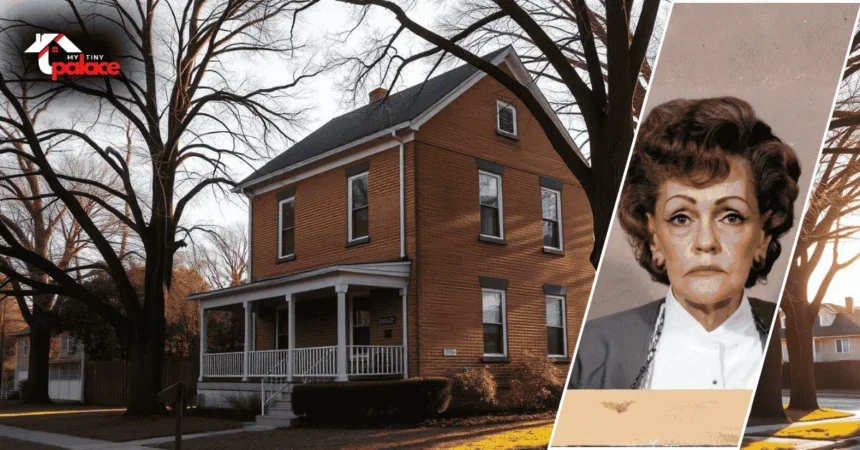
The house at 3850 East New York Street in Indianapolis is tied to a dark chapter. It was once home to Gertrude Baniszewski, a key figure in a tragic case.
The history of this place is deeply connected to the events that happened there. Knowing about this location helps us understand the case involving Gertrude Baniszewski.
Looking into the history and importance of 3850 East New York Street sets the stage for the true story. It’s a journey into the events that took place within its walls.
The Notorious House at 3850 East New York Street
The house at 3850 East New York Street in Indianapolis is known for a horrific crime. This ordinary home was the scene of unspeakable acts. It became a place of nightmares.
The house looked like any other in the neighborhood. But it hid the horrors that happened inside. Its normal look made it an unlikely place for such crimes.

The House as a Crime Scene
A young girl suffered greatly in this house. It became infamous for the crimes committed there. The community and the nation were shocked by the brutality.
The events at this Indianapolis house show the worst of human nature. The house at 3850 East New York Street is a haunting reminder of the evil that can happen in secret.
Gertrude Baniszewski: The Woman Behind the Horror
To grasp the horrors at 3850 East New York Street, we must look into Gertrude Baniszewski’s life. Born Gertrude Wright, her early years were marked by turmoil. This turmoil might have set the stage for her later actions.
Gertrude Baniszewski’s slide into madness was slow, shaped by her mental health and personal life. She was known for her explosive temper. This made her household unstable for her kids and the Likens sisters, Sylvia and Jenny, who lived with her.



Descent into Madness
As Gertrude’s behavior worsened, she started to harm the children in her care. Her actions, along with her kids’, led to Sylvia Likens’ brutal torture and murder. The torture was both physical and psychological, causing lasting harm to everyone involved.
Gertrude Baniszewski was found guilty of first-degree murder for Sylvia Likens’ death. Her trial showed her deep role in the tragedy. It also raised questions about how society and families can fail to prevent such horrors.
The case of Gertrude Baniszewski is a stark reminder of human cruelty. It shows how crucial it is to protect the vulnerable, especially children, from abuse and neglect.
The Arrival of Sylvia and Jenny Likens
In the hot July of 1965, 16-year-old Sylvia Likens and her sister Jenny arrived at Gertrude Baniszewski’s house. Their parents, Lester and Elizabeth Likens, were traveling workers. They had made a deal with Gertrude to take care of their daughters for weekly payments.
The setup seemed okay at first. Gertrude had kids of her own and seemed like she could take care of Sylvia and Jenny. But the Baniszewski home was far from a good place to be.
Initial Interactions with Gertrude Baniszewski
When they got there, Sylvia and Jenny met Gertrude’s kids and others she was watching. Gertrude seemed nice at first, but she had a hidden side.
Sylvia, being the older sister, tried to keep things positive. But, he situation quickly became scary. The money from Lester was meant for their care, but Gertrude had other plans.
As time went on, Sylvia and Jenny knew they were in big trouble. Gertrude’s behavior turned cruel and sadistic. This led to the tragic events that followed.
Inside the House Gertrude Baniszewski: The Descent into Horror
Inside Gertrude Baniszewski’s house, a descent into horror unfolded. It’s one of the darkest chapters in American true crime history. The abuse and torture of Sylvia Likens started with verbal humiliation and psychological manipulation. It then escalated into severe physical torment.
The torture of Sylvia was a gruesome spectacle. Gertrude Baniszewski orchestrated the abuse. Neighborhood children, including Coy Hubbard, Richard Hobbs, and Gertrude’s own children, such as John Baniszewski Jr., were involved or witnessed the atrocities.
The Role of Neighborhood Children and Others
The role of neighborhood children in Sylvia Likens’ abuse was significant. Coy Hubbard, in particular, played a disturbing part in the physical abuse. Richard Hobbs also participated in the torture. Their involvement shows the complex dynamics at play, with some coerced and others embracing cruelty.
As the abuse continued, Sylvia’s condition rapidly deteriorated. The physical and psychological torture left her a shadow of her former self. The abuse was not just Gertrude’s doing but also the inaction and complicity of those around her.
The events inside the house were a grim manifestation of child abuse. Sylvia was subjected to unimaginable cruelty. The case is a stark reminder of the consequences of unchecked cruelty and the importance of community vigilance in preventing such atrocities.
The Final Days and Discovery
Sylvia Likens’ life was brutally cut short in October 1965, after months of torture. Her final days were especially hard, with her health getting worse under Gertrude Baniszewski’s care.
As the torture went on, Sylvia’s health started to fail. The abuse by Gertrude and her kids left her in a bad state, both physically and emotionally.
On October 26, 1965, police found Sylvia Likens’ lifeless body. The way she died was shocking and disturbing, showing the brutal torture she faced.
Finding Sylvia’s body ended a terrible chapter at 3850 East New York Street. The investigation showed how much abuse and torture she went through. This led to a lot of outrage and calls for justice.
The murder of Sylvia Likens shocked the community. It showed the need for more awareness and action against abuse and neglect.
The Trial and Aftermath
The trial of Gertrude Baniszewski was highly anticipated. The prosecution showed strong evidence against her. This evidence showed the severity of the crimes, including the torture and murder of Sylvia Likens.
During the trial, the court heard from many witnesses. This included Gertrude’s own children, who shared the horrors they saw at home. The defense tried to say Gertrude wasn’t directly responsible for Sylvia’s death. But the prosecution had evidence that showed she was involved.
The verdict was clear: Gertrude Baniszewski was found guilty of first-degree murder. This verdict had a big impact on Gertrude and the community. The case’s brutality shook everyone.
Sentencing and Imprisonment
Gertrude was sentenced to life in prison for Sylvia’s murder. Her children, Paula and Stephanie, were also found guilty but got shorter sentences. Gertrude’s appeal to the Indiana Supreme Court failed, making her sentence final.
The trial’s aftermath had a big effect on the community. Many wanted more awareness about child abuse and neglect. The Likens family was deeply hurt but found some comfort in the justice they saw.
Legacy and Cultural Impact
The Gertrude Baniszewski case has had a lasting impact on true crime stories. It has influenced many and caught the public’s attention. The brutal events surrounding Sylvia Likens’ death are a haunting reminder of human darkness.
Remembering Sylvia Likens
Sylvia’s story has not been forgotten. It has inspired efforts to protect vulnerable children, like Sylvia’s Child Advocacy Center. The case reminds us of the need for vigilance and intervention to prevent such tragedies.
The true crime details of the case have been explored in documentaries and books. This has solidified its place in the true crime genre.
The legacy of Gertrude Baniszewski is a cautionary tale. It shows the devastating effects of unchecked cruelty. It also highlights the importance of community awareness in preventing such atrocities.